
Summary: Emotional wounds from our past can quietly influence how we connect, communicate, and respond in relationships. They may cause fear of rejection, difficulty trusting, insecurity, or emotional distance, even when we deeply care about someone. Understanding where these patterns come from is the first step toward changing them. In this blog, discover how emotional wounds affect relationships and practical ways to heal, build self-awareness, and create healthier emotional connections.
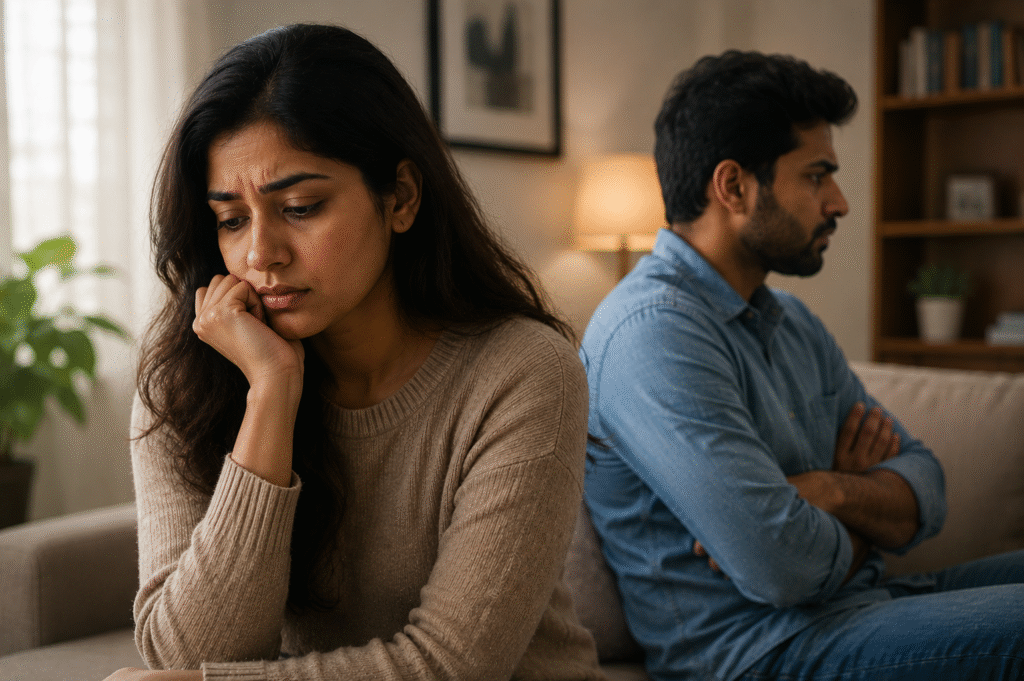
Our past experiences can quietly shape the way we connect with others. Emotional wounds from rejection, abandonment, betrayal, neglect, or criticism may influence how we trust, communicate, and respond in relationships. Sometimes, we may react strongly to situations that remind us of painful experiences from the past. Understanding these emotional patterns can help us become more self-aware, improve communication, build healthier boundaries, and create deeper, more meaningful relationships with ourselves and others.
What Are Emotional Wounds?
Emotional wounds are painful experiences that can affect how we see ourselves, trust others, and respond to relationships. They may develop from experiences such as rejection, abandonment, betrayal, criticism, neglect, loss, or difficult childhood experiences. Even when these experiences happened years ago, their emotional impact can remain with us. If they are not understood or addressed, emotional wounds may influence our thoughts, behaviors, communication, and relationship patterns, often without us realizing it.
Common Causes of Emotional Wounds
Childhood Experiences
Difficult childhood experiences can shape how a person understands love, trust, and emotional safety. Lack of attention, frequent criticism, or an unstable home environment may leave lasting emotional patterns. These experiences can influence relationships later in life.
Rejection
Being rejected by someone important can create feelings of being unwanted or not good enough. Repeated rejection may make a person afraid of being judged or rejected again. This can lead to insecurity and difficulty opening up to others.
Abandonment
Experiencing abandonment can create a deep fear of being left alone. A person may become overly dependent, seek constant reassurance, or worry about losing people they love. These fears can affect trust and emotional connection in relationships.
Betrayal
Betrayal by a partner, friend, or family member can make it difficult to trust others. A person may become suspicious or expect people to hurt them again. This can create emotional distance and difficulties with intimacy.
Criticism and Humiliation
Constant criticism or being made to feel ashamed can damage self-esteem. Over time, a person may become overly sensitive to feedback or constantly worry about making mistakes. This can affect confidence and communication in relationships.
Neglect
Emotional neglect occurs when a person’s emotional needs are consistently ignored or dismissed. It can make someone feel unseen, unimportant, or uncomfortable expressing their needs. As a result, they may struggle to ask for support or develop emotional closeness.
Loss and Grief
Losing someone we love or experiencing a major life change can create deep emotional pain. Unprocessed grief may affect how we connect with others and how safe we feel emotionally. Sometimes, fear of experiencing another loss can make it difficult to form close relationships.
Common Emotional Wounds That Affect Relationships
Abandonment Wounds
Abandonment wounds can create a strong fear of being left or rejected by someone you love. A person may constantly seek reassurance or worry that their partner will leave them. This fear can lead to clinginess, jealousy, or difficulty trusting. Learning to recognize these fears can help create more secure relationships.
Rejection Wounds
Rejection wounds often develop when someone repeatedly feels unwanted, criticized, or excluded. They can make a person question their self-worth and become highly sensitive to criticism. In relationships, they may avoid emotional closeness because they fear being rejected again. This can make it difficult to communicate openly and honestly.
Betrayal Wounds
Betrayal wounds can develop after experiencing dishonesty, broken promises, or infidelity. They can make it difficult to trust people, even when there is no reason to doubt them. A person may become suspicious, controlling, or emotionally distant to protect themselves. Healing this wound often involves rebuilding trust gradually.
Neglect Wounds
Neglect wounds can occur when a person’s emotional needs are consistently ignored or dismissed. They may grow up feeling unseen, unheard, or unimportant. In adult relationships, they might struggle to express their needs or constantly seek attention and validation. Learning to recognize and communicate emotional needs can support healthier connections.
Shame and Unworthiness
Feelings of shame or unworthiness can make someone believe they are not good enough to be loved. They may settle for unhealthy relationships or constantly compare themselves with others. These beliefs can also make it difficult to accept love, compliments, or emotional support. Developing self-compassion and self-worth can help create healthier relationship patterns.
Practical Ways to Start Healing Emotional Wounds
Identify Your Emotional Triggers
Pay attention to situations that cause strong emotional reactions, such as fear, anger, sadness, or insecurity. Ask yourself what happened and whether the reaction may be connected to an earlier experience. Understanding your triggers can help you respond more thoughtfully instead of reacting automatically.
Practice Self-Compassion
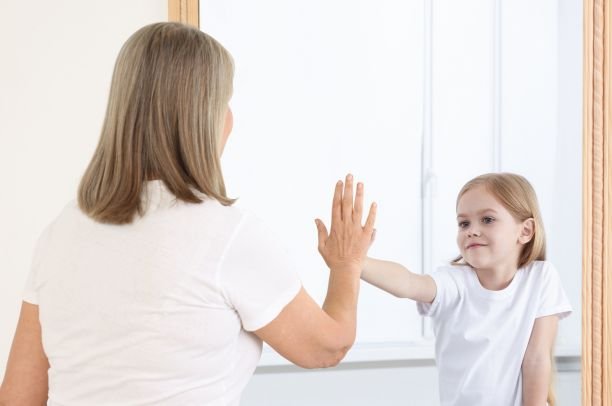
Healing begins with treating yourself with kindness rather than blaming yourself for your emotional responses. Remind yourself that your feelings are valid and that past experiences do not define your worth. Give yourself permission to heal at your own pace.
Express Your Feelings
Keeping painful emotions inside can make them harder to process. Try expressing your feelings through journaling, talking to someone you trust, or having honest conversations with the people involved. Learning to communicate your emotions clearly can also improve your relationships.
Set Healthy Boundaries
Healthy boundaries help protect your emotional well-being while allowing you to maintain meaningful relationships. Learn to say no when something makes you uncomfortable and communicate what you need from others. Boundaries can help you develop relationships based on mutual respect and understanding.
Seek Professional Support
Some emotional wounds can be difficult to work through alone, especially when they are connected to painful or long-standing experiences. A qualified mental health professional can help you understand emotional patterns and develop healthier ways of coping. Seeking support is not a sign of weakness; it can be an important step toward healing and personal growth.
Healing Emotional Wounds for Healthier Relationships
Emotional wounds can quietly influence the way we trust, communicate, love, and connect with others. Recognizing these wounds and understanding their impact is an important first step toward healthier relationships. By identifying emotional triggers, practicing self-compassion, expressing feelings, setting healthy boundaries, and seeking professional support when needed, you can begin to break unhealthy patterns. Healing takes time, but with awareness and patience, it is possible to build stronger, safer, and more meaningful relationships.
Ready to transform your emotional well-being and step into a more empowered version of yourself? Mindspa India’s Heal Your Life Workshop in Pune provides a nurturing, powerful space to let go of old patterns, heal from within, and rediscover your true inner strength. If you’re seeking clarity, balance, and meaningful personal growth, this is your invitation to begin the journey toward a more peaceful and purposeful life.